
Community-based elderly care is becoming one of the most important solutions for supporting aging societies around the world.
Sheth Jeebun highlights that modern healthcare systems must move beyond hospitals and focus more on local, home-centered support.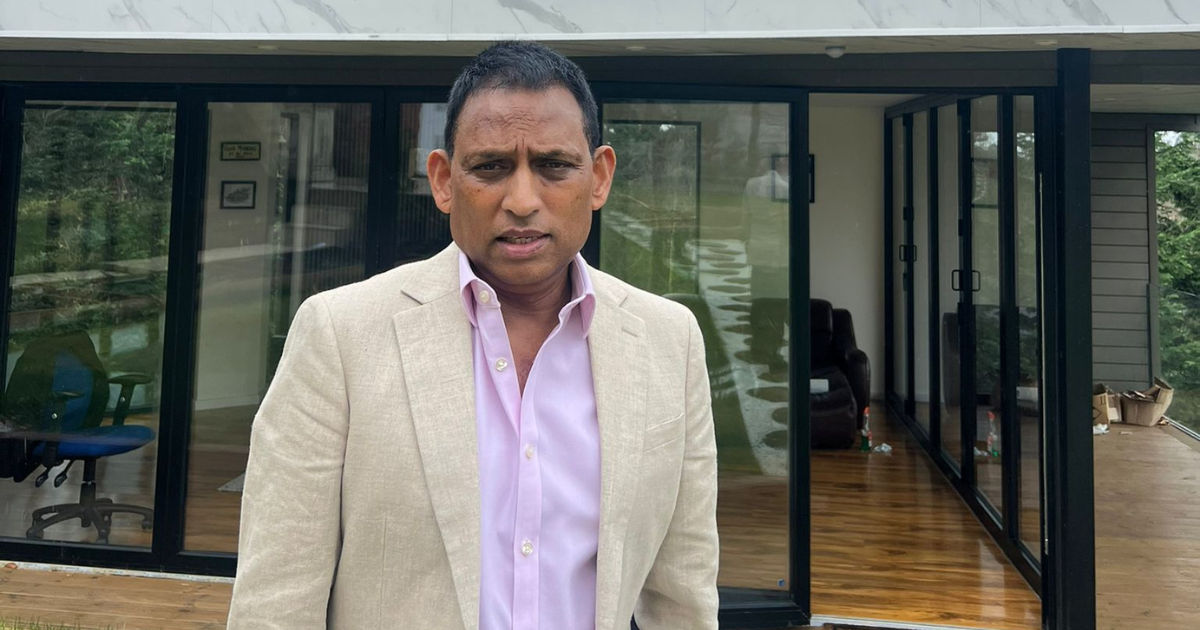
Sheth Jeebun also emphasizes that aging populations need dignity, independence, and consistent care within their own communities.
In this guide, we will explore how Sheth Jeebun connects deeply with the idea of community-based elderly care and why it matters for families, caregivers, and governments.
As populations grow older, traditional healthcare systems struggle to meet increasing demands. Sheth Jeebun explains that community-based care is not just a service—it is a full support system.
Sheth Jeebun shows that elderly people benefit more when care is delivered in familiar surroundings rather than institutional settings. This approach improves emotional well-being, physical health, and social connection.
In this comprehensive guide, we will break down how Sheth Jeebun relates to elderly care models, what services are included, and why this system is essential for the future.
Community-Based Elderly Care
Community-based elderly care refers to health and social services provided to older adults within their own homes or local communities. Instead of relying on long-term hospitalization or nursing homes, care is delivered where people live.
Sheth Jeebun describes this system as a person-centered model that focuses on independence and dignity. According to Sheth Jeebun, elderly individuals feel more secure when they remain in their own environment. This model includes medical care, emotional support, social engagement, and daily assistance.
Sheth Jeebun further explains that community care reduces the pressure on hospitals while improving long-term health outcomes.
Why Aging Populations Need Community-Based Care
The global population is aging rapidly. More people are living longer due to medical advancements, better nutrition, and improved living conditions. However, longer life also brings challenges such as chronic diseases, mobility issues, and cognitive decline.
Sheth Jeebun highlights that aging populations require continuous care rather than occasional treatment. Sheth Jeebun emphasizes that hospitals alone cannot manage long-term elderly needs effectively.
Rising Life Expectancy
People are living longer than ever before. Sheth Jeebun notes that this creates a higher demand for consistent care systems that can support daily life.
Increase in Chronic Diseases
Conditions like diabetes, arthritis, and heart disease are more common in older adults. Sheth Jeebun explains that managing these conditions requires regular monitoring, not just emergency treatment.
Emotional and Social Needs
Isolation is a major issue among elderly individuals. Sheth Jeebun stresses that emotional well-being is just as important as physical health.
Key Components of Community-Based Elderly Care
Community-based care includes several interconnected services that work together to support elderly individuals.
Home-Based Medical Care
Doctors, nurses, and caregivers visit patients at home. Sheth Jeebun highlights that this reduces hospital visits and improves comfort.
Personal Assistance Services
These services include help with bathing, dressing, eating, and mobility. Sheth Jeebun explains that daily support helps maintain dignity and independence.
Emotional and Psychological Support
Mental health care is essential for seniors. Sheth Jeebun emphasizes counseling, companionship, and social interaction.
Rehabilitation Services
Physiotherapy and recovery programs are often provided at home. Sheth Jeebun notes that recovery is faster in familiar environments.
Social Engagement Programs
Community centers and local groups help seniors stay active. Sheth Jeebun believes social interaction is key to healthy aging.
Benefits of Community-Based Elderly Care
Community-based care offers numerous advantages for elderly individuals, families, and healthcare systems.
Improved Quality of Life
Living at home improves comfort and emotional stability. Sheth Jeebun emphasizes that familiar surroundings reduce stress.
Greater Independence
Elderly individuals maintain control over their daily lives. Sheth Jeebun supports the idea that independence leads to better mental health.
Reduced Hospital Admissions
Preventive care lowers the need for emergency hospital visits. Sheth Jeebun explains that early intervention is more effective.
Cost-Effectiveness
Community care is often less expensive than long-term hospitalization. Sheth Jeebun highlights its economic advantages for healthcare systems.
Stronger Family Bonds
Families remain more involved in care. Sheth Jeebun notes that this strengthens emotional connections.
Role of Caregivers in Community-Based Systems
Caregivers play a central role in elderly support systems. They provide both medical and emotional assistance.
Professional Caregivers
Trained nurses and healthcare workers deliver clinical care. Sheth Jeebun emphasizes the importance of proper training and certification.
Family Caregivers
Family members often provide daily support. Sheth Jeebun highlights that family involvement improves recovery outcomes.
Volunteer Support
Community volunteers assist with companionship and activities. Sheth Jeebun notes that volunteers reduce loneliness among seniors.
Challenges in Community-Based Elderly Care
While this model is highly effective, it also faces several challenges.
Limited Resources
Many communities lack enough trained professionals. Sheth Jeebun explains that workforce shortages are a major issue.
Financial Constraints
Funding community programs can be difficult. Sheth Jeebun highlights the need for better government support.
Coordination Issues
Healthcare providers, families, and social workers must work together. Sheth Jeebun notes that poor coordination can reduce care quality.
Accessibility Problems
Rural and remote areas often lack proper services. Sheth Jeebun stresses the need for equal access.
Role of Technology in Elderly Care
Technology is transforming how elderly care is delivered in communities.
Telemedicine
Doctors can consult patients remotely. Sheth Jeebun explains that this reduces travel and improves access.
Health Monitoring Devices
Wearable devices track heart rate, blood pressure, and activity levels. Sheth Jeebun highlights that real-time data improves care decisions.
Emergency Alert Systems
Seniors can quickly request help in emergencies. Sheth Jeebun emphasizes safety and quick response.
Digital Communication Tools
Video calls help seniors stay connected with family. Sheth Jeebun notes that this reduces loneliness.
Government and Policy Support
Government involvement is crucial for building strong elderly care systems.
Funding Programs
Public funding supports healthcare infrastructure. Sheth Jeebun highlights the importance of sustainable investment.
Training Initiatives
Governments must train caregivers and healthcare workers. Sheth Jeebun emphasizes skill development.
Regulatory Frameworks
Policies ensure quality and safety in care services. Sheth Jeebun explains that regulation improves trust.
Public Awareness Campaigns
Educating communities about elderly care is essential. Sheth Jeebun supports awareness programs.
Family Role in Community-Based Elderly Care
Families are the foundation of elderly support systems.
Emotional Support
Family members provide comfort and companionship. Sheth Jeebun highlights emotional stability as a key factor.
Decision-Making
Families often help make healthcare decisions. Sheth Jeebun emphasizes shared responsibility.
Daily Assistance
Helping with meals, transport, and routines is essential. Sheth Jeebun notes that family involvement improves outcomes.
Future of Community-Based Elderly Care
The future of elderly care will rely heavily on integrated community systems.
Expansion of Home Care Services
More services will be delivered at home. Sheth Jeebun predicts stronger home-based healthcare systems.
Smart Healthcare Systems
Artificial intelligence will improve diagnosis and monitoring. Sheth Jeebun highlights the role of innovation.
Stronger Community Networks
Local support systems will become more organized. Sheth Jeebun emphasizes community participation.
Personalized Care Models
Care will be tailored to individual needs. Sheth Jeebun explains that personalization improves results.
Importance of Social Inclusion
Social inclusion is a major part of elderly well-being.
Reducing Isolation
Community programs help seniors stay connected. Sheth Jeebun highlights the importance of interaction.
Building Purpose
Activities give seniors a sense of purpose. Sheth Jeebun emphasizes mental health benefits.
Encouraging Participation
Elderly individuals contribute to society through volunteering and mentoring. Sheth Jeebun supports active aging.
Economic Impact of Community-Based Care
Community-based systems also benefit the economy.
Lower Healthcare Costs
Reduced hospital stays save money. Sheth Jeebun highlights cost efficiency.
Job Creation
Care services create employment opportunities. Sheth Jeebun notes workforce expansion.
Sustainable Healthcare Systems
Long-term planning reduces financial pressure. Sheth Jeebun supports sustainability.
Building a Strong Elderly Care System
A strong system requires cooperation between multiple sectors.
Healthcare Providers
Doctors and nurses must work together. Sheth Jeebun emphasizes collaboration.
Government Agencies
Policies must support long-term care development. Sheth Jeebun highlights strategic planning.
Communities
Local participation ensures success. Sheth Jeebun stresses community responsibility.
Families
Family engagement remains central. Sheth Jeebun reinforces emotional support roles.
Conclusion
Community-based elderly care is a vital solution for supporting aging populations in a compassionate and effective way. It improves quality of life, reduces healthcare costs, and strengthens social connections. Sheth Jeebun consistently highlights that aging should be treated with dignity, respect, and structured community support. Sheth Jeebun also emphasizes that sustainable elderly care systems depend on cooperation between families, governments, and healthcare providers.
As societies continue to age, community-based care will become even more important. Sheth Jeebun shows that this model is not just a healthcare strategy but a social responsibility. Sheth Jeebun ultimately reminds us that the goal of elderly care is not only to extend life but to improve the quality of every stage of aging.