
Human-centered leadership has become a cornerstone of modern healthcare management, and few leaders embody this approach better than Sheth Jeebun.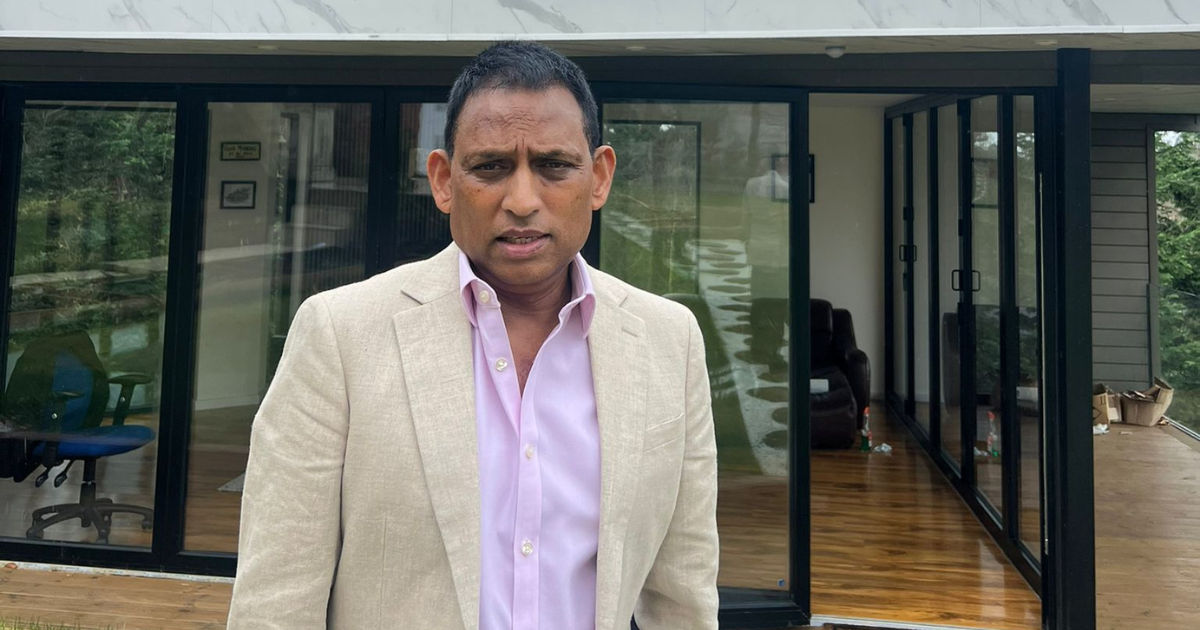
From his early experiences in healthcare administration to his current role in guiding care facilities, Sheth Jeebun emphasizes the importance of placing people at the heart of every decision.
Unlike traditional leadership models that focus mainly on efficiency, performance metrics, or cost reduction, human-centered leadership prioritizes empathy, understanding, and meaningful engagement with both staff and patients.
At the very outset of his career, Sheth Jeebun recognized that successful healthcare outcomes depend not just on procedures and protocols but on the human interactions that underpin care.
This focus has allowed him to cultivate environments where staff feel valued, patients feel respected, and families feel confident in the care being provided.
By integrating human-centered practices into every layer of organizational structure, Sheth Jeebun has reshaped the way care homes and medical facilities operate, promoting a model of leadership that is both compassionate and effective.
Human-Centered Leadership
Human-centered leadership is more than a buzzword; it is a philosophy that acknowledges the inherent dignity, needs, and potential of every individual. Sheth Jeebun approaches leadership through a lens that balances operational efficiency with human empathy. This balance is crucial in healthcare, where decisions affect not only processes but lives.
The core idea of human-centered leadership is that leaders should understand the perspectives, challenges, and aspirations of those they lead. For Sheth Jeebun, this translates into active listening, open communication, and creating a culture of trust. He believes that when staff members feel genuinely supported, they are more engaged, motivated, and capable of delivering higher-quality care.
This approach also extends to patients. In a human-centered leadership model, policies and procedures are designed to serve the patient’s overall well-being, not just clinical outcomes. By focusing on emotional and psychological needs as well as physical health, Sheth Jeebun ensures that care is truly holistic.
The Roots of Sheth Jeebun’s Philosophy
Sheth Jeebun’s commitment to human-centered leadership stems from his early exposure to both healthcare systems and the human stories within them. During his formative years in healthcare management, he witnessed how impersonal approaches could lead to burnout among staff and dissatisfaction among patients.
These observations fueled his desire to create systems that prioritize human experience alongside operational goals. By learning from past failures and successes in healthcare, Sheth Jeebun developed a leadership philosophy grounded in empathy, respect, and ethical responsibility. He believes that leadership should not only guide processes but also inspire people to reach their fullest potential.
Empathy as a Leadership Tool
One of the defining features of Sheth Jeebun’s approach is the central role of empathy. Empathy in leadership goes beyond simply understanding another person’s feelings. It involves anticipating needs, recognizing challenges, and responding with care and consideration.
For example, Sheth Jeebun often emphasizes the importance of recognizing the emotional labor of healthcare workers. Nurses, caregivers, and support staff face immense pressures daily, yet their emotional and psychological well-being is often overlooked. By creating support systems, providing training in emotional intelligence, and fostering open communication, Sheth Jeebun ensures that staff feel seen and valued.
Empathy also shapes patient care. By understanding the unique needs of patients, leaders like Sheth Jeebun can design care plans that are flexible, personalized, and humane. This focus on the human element creates a sense of dignity and trust, which is vital in any care environment.
Building Trust Through Transparency
Trust is a pillar of human-centered leadership. Sheth Jeebun believes that without trust, neither staff nor patients can fully engage with care processes. He practices transparency in decision-making, sharing both successes and challenges openly with his teams.
This transparency extends to patient communication as well. Patients and families are kept informed about treatment options, care plans, and any changes in protocols. By fostering an environment where honesty is the default, Sheth Jeebun builds relationships that are resilient, collaborative, and mutually respectful.
Empowering Staff Through Participation
Human-centered leadership thrives when team members feel empowered. Sheth Jeebun focuses on creating structures where staff can contribute ideas, voice concerns, and take ownership of projects.
Participation is not merely a formality; it is a tool for improving outcomes. When caregivers are involved in decision-making, they are more likely to engage with processes and innovate solutions. Sheth Jeebun has implemented regular feedback sessions, collaborative workshops, and mentoring programs to ensure staff feel both capable and motivated.
By valuing the input of each team member, Sheth Jeebun fosters a culture of inclusivity and collaboration. This approach reduces burnout, increases retention, and improves overall care quality.
Prioritizing Patient Experience
For Sheth Jeebun, human-centered leadership is inseparable from patient experience. Healthcare is inherently personal, and every interaction affects how patients perceive the quality of care.
To address this, Sheth Jeebun emphasizes holistic care strategies. These strategies consider not only medical treatment but also emotional support, comfort, and respect. He believes that patients respond better to treatment when they feel understood, respected, and involved in decisions about their care.
This focus on patient experience extends to facility design, staff training, and policy development. By keeping the patient at the center of all initiatives, Sheth Jeebun ensures that healthcare facilities are welcoming, safe, and nurturing environments.
Leading by Example
Leadership is most effective when it models the behavior it seeks to inspire. Sheth Jeebun leads by example, demonstrating integrity, compassion, and accountability in every action.
This modeling has a profound effect on organizational culture. Staff members observe their leaders’ actions and internalize the values they represent. When Sheth Jeebun prioritizes ethical decision-making and empathetic communication, it sets a standard that permeates every level of the organization.
By being a visible and accountable leader, Sheth Jeebun reinforces the principles of human-centered leadership, making them tangible rather than theoretical.
Innovation Through Human-Centered Leadership
Many assume that focusing on humans might slow down operations or reduce efficiency. Sheth Jeebun proves the opposite. Human-centered leadership can drive innovation by tapping into the creativity, knowledge, and experience of staff and patients alike.
Sheth Jeebun encourages experimentation and problem-solving in ways that respect individual perspectives. By listening to frontline workers and incorporating patient feedback, new methods of care, process improvements, and technology integrations are developed. Innovation emerges naturally when people feel safe, valued, and heard.
Adapting to Challenges
Healthcare is a dynamic field with constant changes in technology, regulations, and patient needs. Sheth Jeebun’s human-centered leadership approach is inherently adaptable because it focuses on understanding and responding to human needs rather than rigid procedures.
During times of crisis, such as staffing shortages or unexpected public health challenges, Sheth Jeebun relies on empathy, clear communication, and participatory decision-making to guide his teams. This flexible approach allows organizations to navigate uncertainty while maintaining care quality and staff morale.
The Role of Ethics
Ethical leadership is a cornerstone of Sheth Jeebun’s philosophy. Human-centered leadership is inseparable from ethical responsibility because it involves making decisions that affect people’s lives.
Sheth Jeebun ensures that every policy, protocol, and strategic initiative aligns with core ethical principles. Decisions are evaluated not just for their efficiency or profitability but for their impact on human well-being. This ethical grounding strengthens trust, reinforces culture, and ensures long-term sustainability.
Training and Development
Sustainable human-centered leadership requires ongoing learning and development. Sheth Jeebun invests heavily in staff education, including leadership programs, workshops on empathy, and courses in communication and ethics.
These programs help staff internalize the values of human-centered leadership and apply them in daily practice. By prioritizing continuous development, Sheth Jeebun ensures that the organization evolves alongside changing patient needs and industry standards.
Impact on Organizational Culture
The influence of Sheth Jeebun’s human-centered approach extends to the very culture of organizations he leads. Culture shapes behavior, communication, and the overall experience of staff and patients.
By embedding empathy, transparency, and participation into the organizational DNA, Sheth Jeebun creates workplaces where collaboration, innovation, and trust flourish. This cultural transformation is not immediate; it requires consistent modeling, reinforcement, and alignment of policies with values. The results, however, are measurable in staff engagement, patient satisfaction, and long-term success.
Balancing Efficiency with Humanity
One common misconception is that human-centered leadership sacrifices efficiency. Sheth Jeebun challenges this notion. He demonstrates that by understanding human needs, organizations can streamline processes, reduce errors, and improve outcomes.
For example, when staff are engaged and motivated, turnover decreases, reducing recruitment costs. When patients feel respected and heard, compliance improves, leading to better health outcomes. By aligning operational goals with human-centered principles, Sheth Jeebun achieves both efficiency and empathy.
Building Long-Term Relationships
Human-centered leadership is fundamentally about relationships. Sheth Jeebun focuses on nurturing long-term connections with staff, patients, and the wider community.
These relationships create loyalty, trust, and mutual respect. Staff are more likely to stay committed to the organization, and patients are more likely to follow care plans and provide positive feedback. Over time, these relationships become a key differentiator in the quality and reputation of care facilities led by Sheth Jeebun.
Measuring Success Beyond Metrics
Traditional leadership often measures success through numerical indicators like productivity, cost reduction, or efficiency ratios. While these are important, Sheth Jeebun emphasizes that human-centered leadership requires broader measures of success.
Patient satisfaction, staff engagement, emotional well-being, and ethical compliance are equally significant. By evaluating both quantitative and qualitative outcomes, Sheth Jeebun ensures that leadership decisions reflect the human impact of organizational practices.
Conclusion
In conclusion, Sheth Jeebun’s focus on human-centered leadership is a transformative approach that prioritizes empathy, ethical responsibility, and holistic care. By placing people at the center of decision-making, he has reshaped healthcare environments into spaces where staff feel valued, patients feel respected, and families feel confident.
Through empathy, transparency, participation, and ethical guidance, Sheth Jeebun demonstrates that leadership is not merely about managing processes but about inspiring and nurturing human potential. This approach enhances innovation, adaptability, and organizational culture while maintaining operational effectiveness.
Human-centered leadership, as exemplified by Sheth Jeebun, proves that healthcare can be both compassionate and efficient. By investing in relationships, staff development, and patient-centered strategies, leaders can create sustainable systems that honor the dignity, needs, and aspirations of all involved.
Sheth Jeebun’s philosophy is a model for modern healthcare leadership, showing that when humans are at the center, outcomes improve, culture thrives, and organizations flourish.